
- Home
- Smart Tips
- Garden
353
result(s)

Do you love your lilies and want more? It'll take a bit of work and dedication, but you can get your lilies to propagate successfully with these different methods.

Ever wanted to grow ornamental grass that comes back year after year, looking stunning each time? Here's 5 lush variations to try!

Whether you're sowing seeds or laying sod, it's important to know how to get the best results for your new lawn so you don't miss patches or need to resow. Here are some tips for a perfect lawn.

Slugs -- you'll find them in every garden at some point or another. The trick is to not let your garden be overrun by them. The following guidelines offer natural ways to control slug populations, without insecticides.
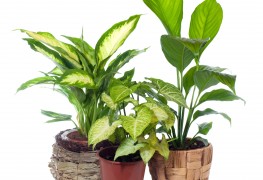
Anyone who has gardened or kept house plants in their home has probably wondered if using tap water to water their plants is more harmful than beneficial. Should you just use bottled water? As it turns out, the answer depends on your plants and where

North Americans spend hundreds of millions of dollars a year on bags and truckloads of dirt and soil mixes each spring. You can get all the benefits of these pricey products plus expensive fertilizers by making your own compost.

Conventional irrigation wastes water and can leave plants thirsty. Though drip irrigation systems are a good solution, they can be pricey. Why not make a simple drip system yourself? These five steps will show you how.

There are about 700 species of heath, a great number from South Africa that are hardy only where winters are frost-free. The hardy species are a mainstay in more northern garden where, by growing named forms of the different species, they will provid

You recycle, you reuse, but do you compost? Even apartment dwellers and those with small yards can make the most of kitchen scraps by composting indoors. Best of all, composting indoors involves no odour or mess.

It's important to manage the quality and maturity of your compost pile. When your compost is mature, you can use it to increase positive soil flora and prevent soil erosion. Learn how to add top-dressing to your garden and reap the benefits.

Not only has the way vegetables are grown undergone major changes; so has the way vegetables are sold. The supermarket is no longer your main option.Today, country and city dwellers alike can enjoy, in an unprecedented way, the benefits of truly fres

Animal manures, vermicompost, chicken manure and seaweed are all good earth-wise fertilizers. Plus, they're all either cheap or free. Here's how to get the most from your organic fertilizers.

The easiest route to a constant supply of organic matter is to make your own compost. It's a simple and effective way of keeping your soil fertile and you probably have all the ingredients right at hand.

Once the warm weather hits young plants are ready to be set into their permanent places in the garden, once they have been hardened off. Here are some tips to keep them safe and grow as healthy as possible.

While there are plenty of toxic chemical controls for garden pests, the vast majority of problems can be corrected with inexpensive organic solutions. The next time your plants are being pestered, try one of these five non-toxic sprays.

Pests like earwigs and Japanese beetles are a natural part of a garden, but they can become a problem if they get out of control. Read on to learn more about the role of pests in your garden and what can be done about them.

Gardening doesn't have to break the bank to be an enjoyable activity that yields beautiful scenery or delicious produce. We'll give you 4 easy ways to save money without compromising your garden.

One option for composting at home is to build a large bin from salvaged material, namely, wooden pallets. Follow these four steps to building a backyard compost bin you can access for a thriving, natural garden.

Few things have a flavour as pure and exquisite as fresh-picked berries, but it isn't always possible to eat all the berries as soon as they are picked, especially if the harvest is bountiful. After a successful berry picking excursion, these tips ca

Growing lettuce is an easy and efficient way to grow some of your own food. Here are tips to make sure you get the most out of your harvest.